Tuesday, January 29, 2013

THE CANON OF THE OLD TESTAMENT


THE CANON OF THE OLD TESTAMENT


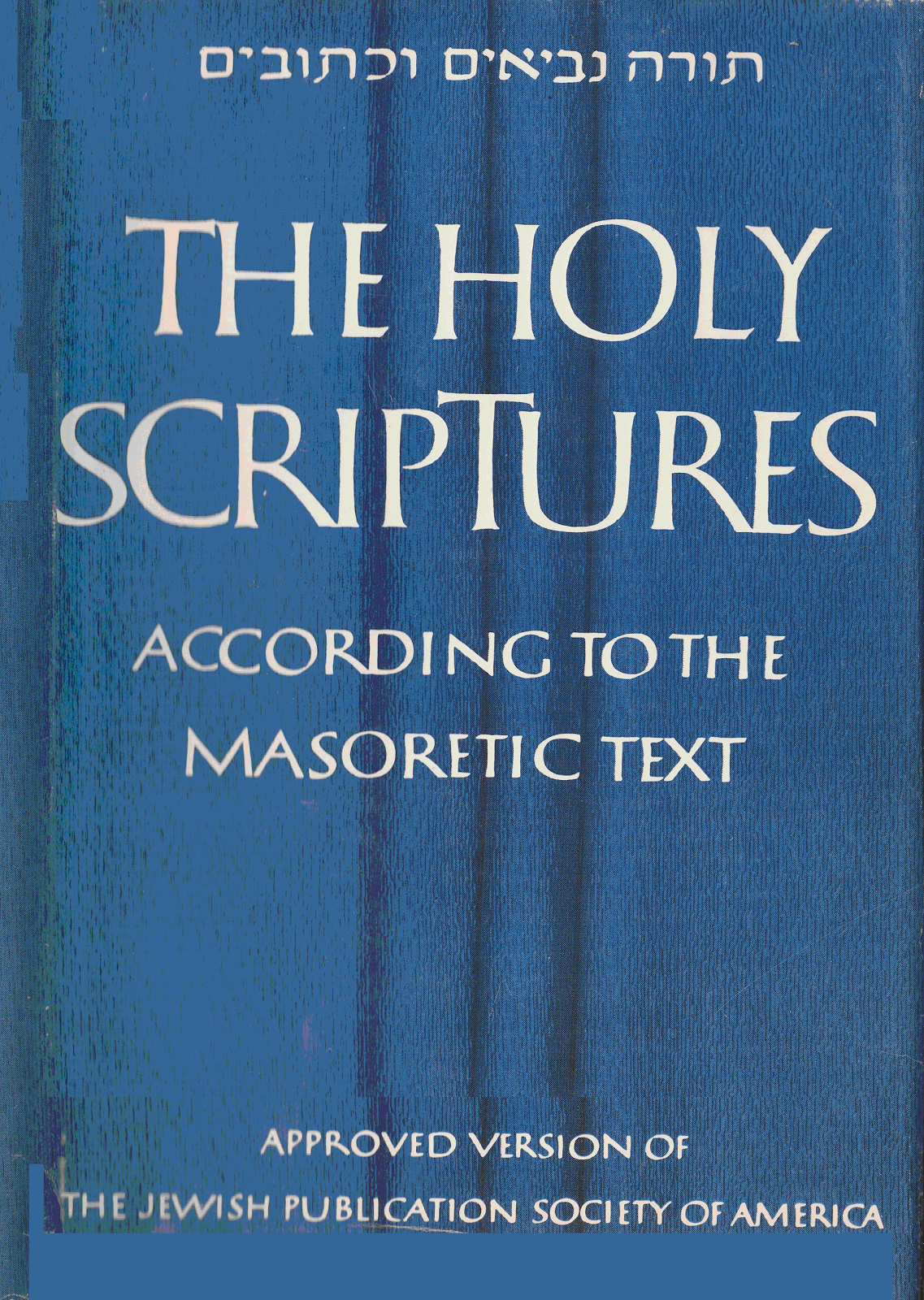
THE word “canon” has come to mean (1) “rule of faith” or the standard, authoritative teaching by which all doctrines were measured; and (2) a list or index. The English word “canon” was derived from the Hebrew qaneh, meaning “reed” or “stalk.” The Greek took over this Semitic word, thus “kanon” in Greek. The root meaning of the word (“reed”) denotes a rule, a measuring stick or an instrument with which to make straight lines.

Because the word “canon” could also means a list or index, the phrase “Canon of Scriptures” is the list of books that belong to the Holy Scriptures or those said to be “canonical.” 

How many books that belong to the canon of the Old Testament or those said to be canonical? How many books that belong to the canon of the contemporary Bible? How many books that belong to the Jewish canon? Why limit the number of the canonical books to the number the Jewish canon and the canon of the Septuagint gave?

Sunday, January 27, 2013

How We Got The Bible


HOW THE WORDS OF GOD CAME TO US


The Bible has been the basis of faith of countless people in Christendom. It is the fountainhead of hope and inspiration of those who believe in the Almighty as introduced by the Lord Jesus Christ. However, how are the words of God came to us? The words of God came to us through:

(1)  Revelation
(2)  Inspiration
(3)  Canonization
(4)  Transmission
(5)  Illumination
 

Wednesday, January 23, 2013

The Bible is God's Word


“What God Was, the Word Was”: 
The bible is the word of god


Today we call our Sacred Scriptures “the Bible.” The Bible forms the foundation upon which are built every teaching and practice of the Iglesia ni Cristo or the Church of Christ. The Bible-centered method is one of the defining characteristics that make this Church unique.


However, the attitude of some more liberal groups concerning the Bible departs even further from the proper reverence that should be accorded the Scriptures, and some who even profess to be Christian, calling the Bible only one of many “sacred texts.”

These same people consider the religious books of other religions, such as those of Buddhism and Hinduism, to be equally valid “expressions of God’s voice” and worthy of equal consideration and respect as the Bible. They consider all the “sacred texts” to be God’s various ways of speaking His truth to man, no matter how much the “truths” these books teach differ from and contradict one another and the Bible.

Still others give the Bible no respect at all, as they try to deconstruct it and attempt to read into the motives of the different writers, assigning them various social and political agendas. For them, there is no such thing as a sacred text. They see the Bible only as a human text that can be analyzed and criticized like any other literary work.

There are those who classify the Bible as a mere collection of myths, that is, something beyond the realm of truth. Others believe that the Bible is a mere work of man and just a product of human imagination.

However, in the Church of Christ, the Bible is considered indispensable. It is the ultimate authority and guide to the way the Church members think, feel, and act. Why do God’s words written in the Bible hold such power over their lives that they untiringly invite people to listen to and follow His words? The answer to this question rests on the distinctive attribute of the divine word that is also present in God Himself.
Monday, January 21, 2013

Origin and History of the Word "Bible"


ETYMOLOGY OF THE WORD “BIBLE” AND HOW THE SACRED SCRIPTURES CAME TO BE CALLED “BIBLE”


TODAY, we call the Holy Scriptures the “Bible.” However, what is the meaning of the word Bible? What is the origin of the word? Why and when the Bible was called as such? Let us answer these questions in this article.

Sunday, January 20, 2013

Physical Description of the Bible


THE BOOK CALLED “THE BIBLE”


MILLIONS of people accept the Bible as the basis of their faith. For thousands of years, it touched the lives of many. No other religious books can equal the influence of the Bible regarding religion, literature, and civilization.

Let us first have an introduction to this book called the Bible.

Friday, January 18, 2013

I JUAN 5:20


Si Cristo ba ang tinutukoy ng banggit na “Ito ang tunay na Diyos” sa I Juan 5:20?


GUSTONG PALABASIN NG mga naniniwalang si Cristo ay Diyos na si cristo ay tinawag sa Biblia na tunay na Diyos. ipinagpipilitan nila na sa I Juan 5:20 ay tinawag daw si Cristo na tunay na Diyos. Ganito ang isinasaad ng talata:

“At nalalaman natin na naparito ang Anak ng Dios, at tayo'y binigyan ng pagkaunawa, upang ating makilala siya na totoo, at tayo'y nasa kaniya na totoo, sa makatuwid ay sa kaniyang Anak na si Jesucristo.  Ito ang tunay na Dios, at ang buhay na walang hanggan.” (I Juan 5:20)

Sa talatang ito ay may banggit na “Ito ang tunay na Dios, at ang buhay na walang hanggan.” Sinasabi ng mga naniniwalang si cristo ay Diyos na ang tinawag dito na tunay na Diyos ay ang Panginoong Jesucristo.

Tinawag nga ba ang Panginoong Jesucristo na “tunay na Diyos” sa I Juan 5:20?

Thursday, January 17, 2013

Uniqueness of the Bible


THE UNIQUENESS OF THE BIBLE


THE BIBLE IS the “book of books.” Even though there are many “sacred books” used by different religions, the Bible is above all these “sacred books.” The Bible is unique, possessing characteristics and attributes that cannot be found in any books of different religions. What is the uniqueness of the Bible that makes it different from other religious books?

Frequently Asked Questions


About the


Baptism


Bible


Bible and Qur'an


Contributions/Offerings


Death


Devil, Evil, Satan


Eating of Blood, prohibition on


Salvation


Soul

Worship Services


HAVE QUESTIONS?

You can post your questions here.